Summary
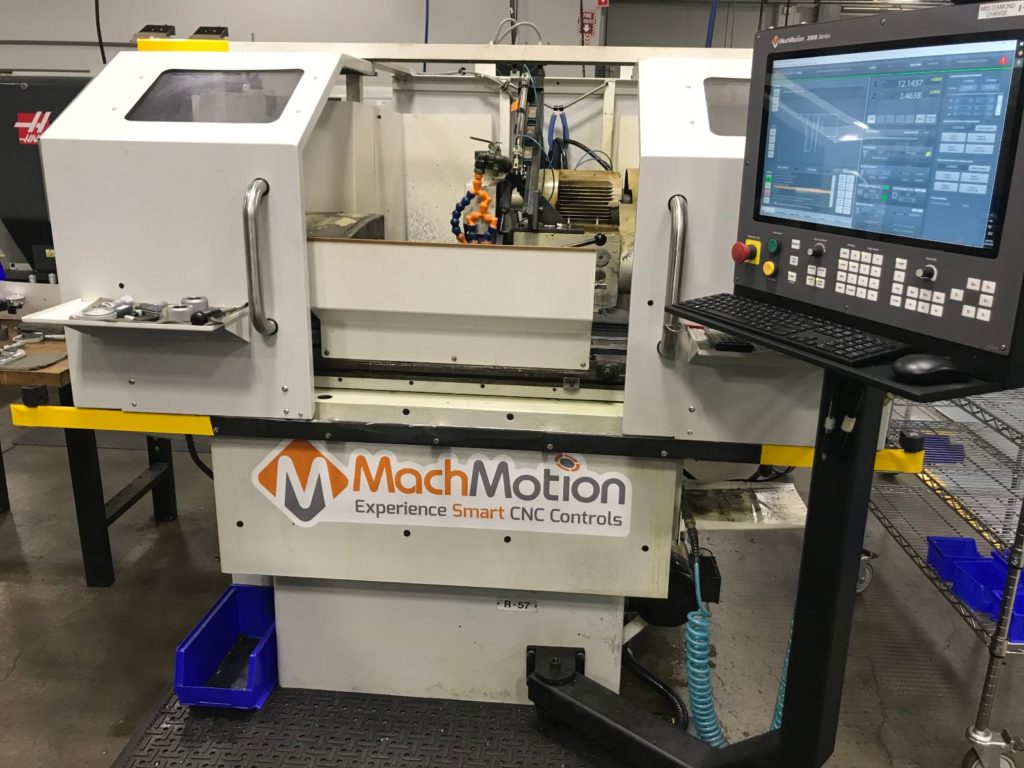
A good retrofit does more than get a machine running again temporarily; it keeps the machine reliable and productive for years. This Cincinnati Milacron OD grinder retrofit update covers what MachMotion looks for to make that true, not just a short-term fix.
A retrofit should do more than get a machine running again for a few months. It should keep that machine useful, reliable, and productive for years. That is exactly why this Cincinnati Milacron OD grinder matters.
This grinder was retrofitted in 2019, and the best update is a simple one: it is still in production and making parts.
That outcome says a lot. In many shops, a grinder like this still has strong mechanical value. The cast iron is proven. The machine foundation is solid. The problem is usually not the machine itself. The problem is the aging CNC control, obsolete electronics, and the growing risk that one failure can stop production while everyone scrambles for parts or a workaround.
That is where a control retrofit makes sense.
Instead of replacing a machine with good bones, the smarter path is often to modernize the brain and keep the iron. A retrofit gives the machine a new control platform, updated electronics, and a better operator experience without forcing the shop to start over with a new machine purchase. It helps reduce downtime risk, improves supportability, and gives the team more confidence in the machine every day.
This Cincinnati Milacron OD grinder is a good example of that approach working the way it should.
A machine that was retrofitted in 2019 and is still producing parts today is not just a finished project. It is proof that the investment continued to pay off after installation. The goal was not a temporary patch. The goal was to put the grinder back into dependable production with a control system built for long-term use.
For manufacturers, that matters. Planned downtime is one thing. Emergency downtime is another. When a grinder is part of daily production, control failures, parts obsolescence, and operator frustration can create real disruption. A retrofit helps move the machine out of that cycle. It gives you a modern, supported path forward while preserving the value of equipment that can still do its job well.
It also reinforces an important point about older CNC equipment: age alone does not decide whether a machine should be replaced. If the mechanics are sound and the machine still fits the work, a retrofit can be a cost-effective way to extend machine life and keep production moving.
That is the real value behind updates like this one.
This Cincinnati Milacron OD grinder was retrofitted in 2019. Years later, it is still in production and still making parts. That is what a successful retrofit should look like: practical, durable, and built around the reality of how shops operate.
Your machine still has life left in it. If the iron is proven but the control is becoming the problem, a retrofit may be the right next step. Modernize the brain. Keep the iron.
Next Step
Tell us what you're running and what's failing. We'll give you a straight answer: retrofit, repair, or replace, before any money changes hands.